

A Cozy Spring Book List for Elementary Homeschool Days (Ages 5–10)
A curated list of the best spring books for elementary homeschool, featuring read-alouds, nature studies, and engaging learning ideas for ages 6–10.

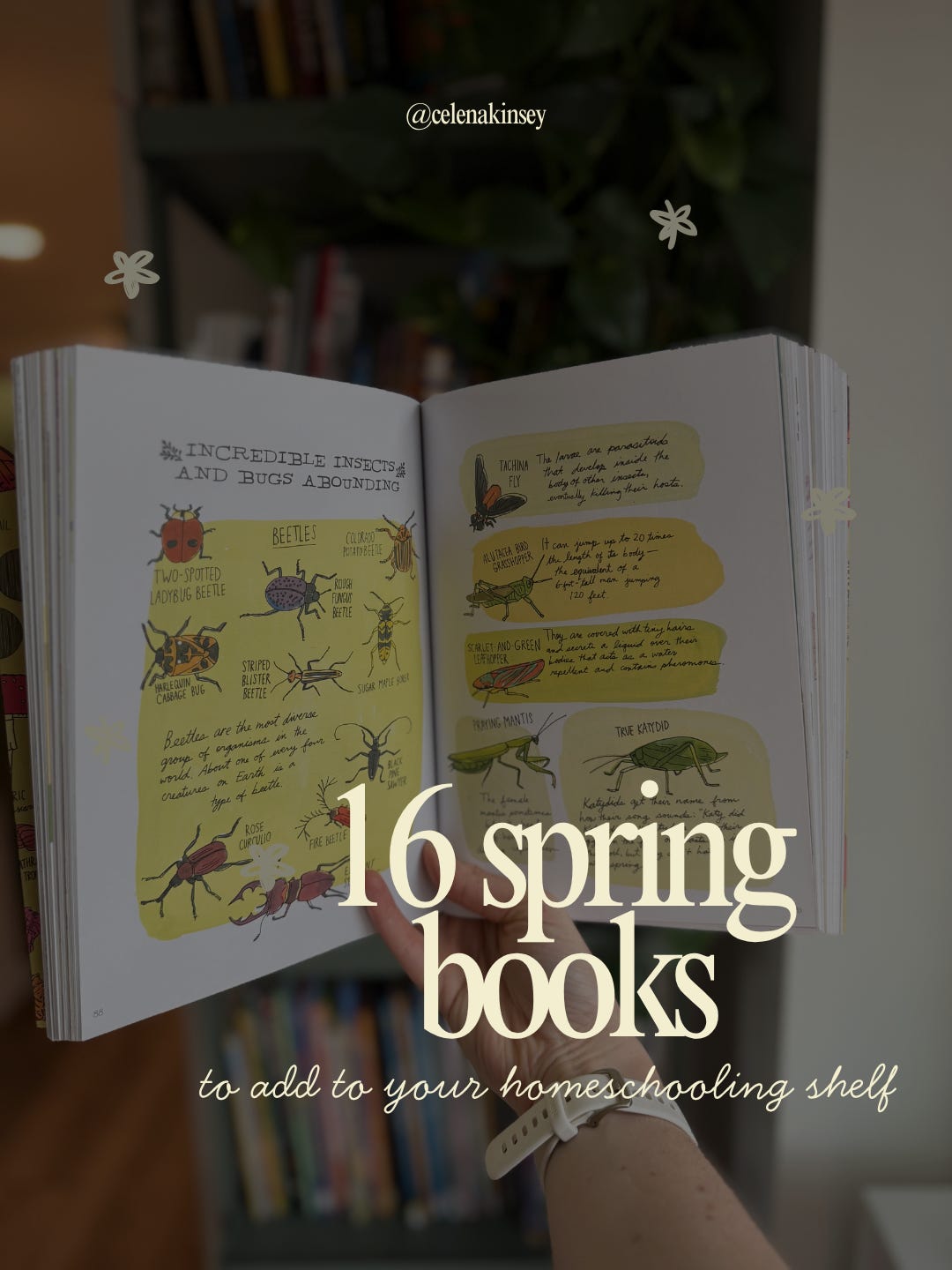
Every season, I rotate our books to match what we’re naturally exploring. What we were reading in winter quietly gets tucked away, and in its place comes a shelf that reflects what’s happening right outside our door. Spring is honestly one of my favorite seasons to curate books for because if I’m being honest- nature does half of the teaching for us. Insects start flying around, plants start blooming, and it feels like the world is waking up all over again. And suddenly, my kids have 100s of questions or side quests they like to go on and I feel like nothing is better than having a book to help guide us.
This year’s spring shelf has a little bit of everything: cozy read-alouds, go-to reference books I think every homeschooling family should have, and big, beautiful illustrated books we keep coming back to. I’ve organized each one by how we actually use it in our days, so you can treat this like a simple reference guide for your own homeschool.
🌱 For the Garden
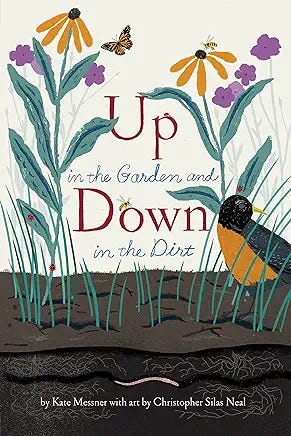
Up in the Garden and Down in the Dirt – Kate Messner
This is the book that gets kids so excited about gardening and is a well loved staple in our home. A girl and her grandmother tend their garden through the seasons, and kids get to see both worlds (in the garden, and down in the soil) at once. It’s an easy picture book that is always just pure magic.
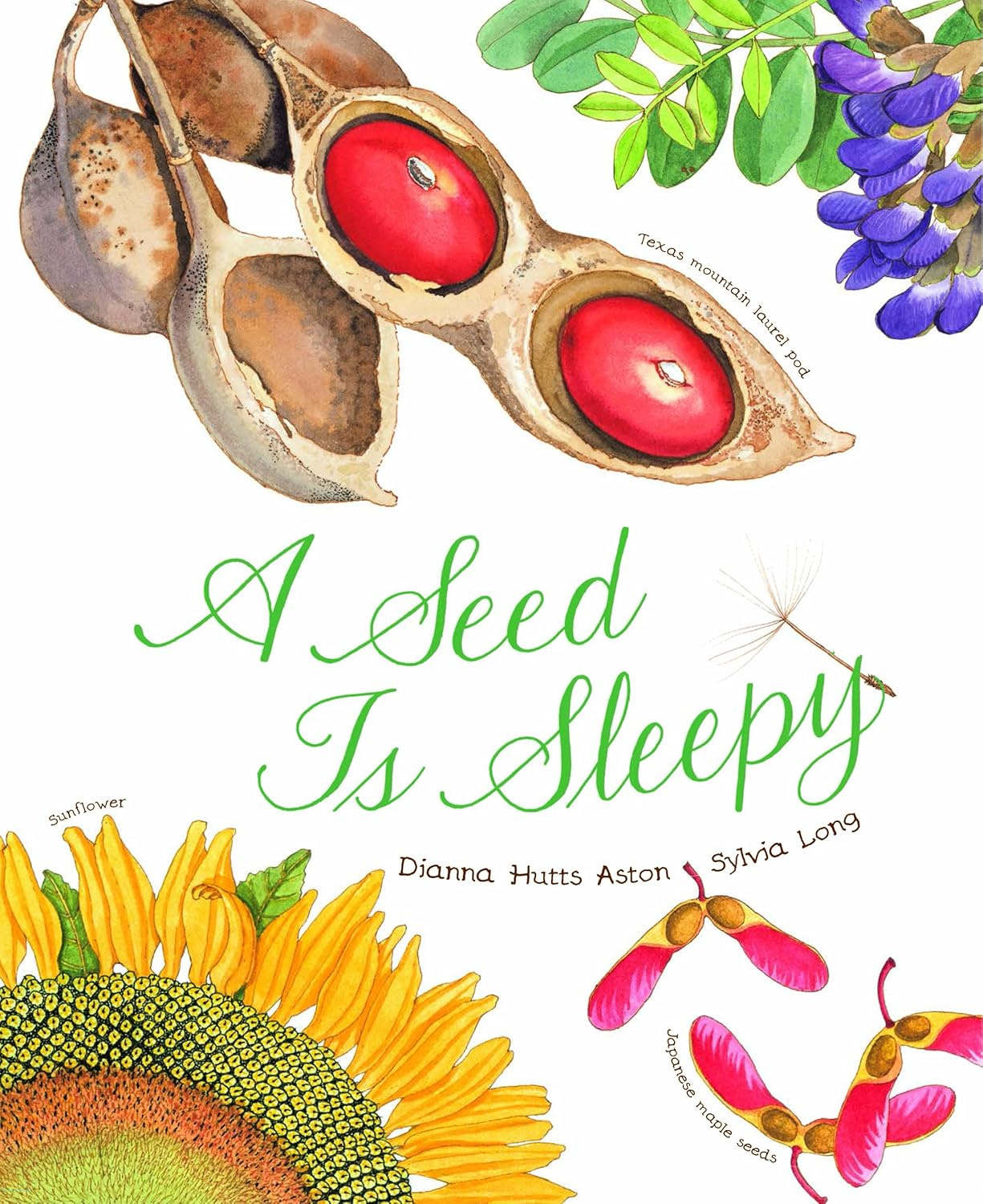
A Seed Is Sleepy – Dianna Hutts Aston & Sylvia Long
Part of a very beautiful nature series, this book introduces kids to the world of seeds in a very lyrical way. Sylvia Long’s illustrations are also gorgeous and fun to try and duplicate on rainy art mornings. From tiny redwood seeds to giant coconut seeds, it covers dormancy, germination, and the life cycle of plants without ever feeling like a lesson. Plus, if you love this one, the whole Aston & Long series is worth collecting, we also have A Butterfly Is Patient and love it!
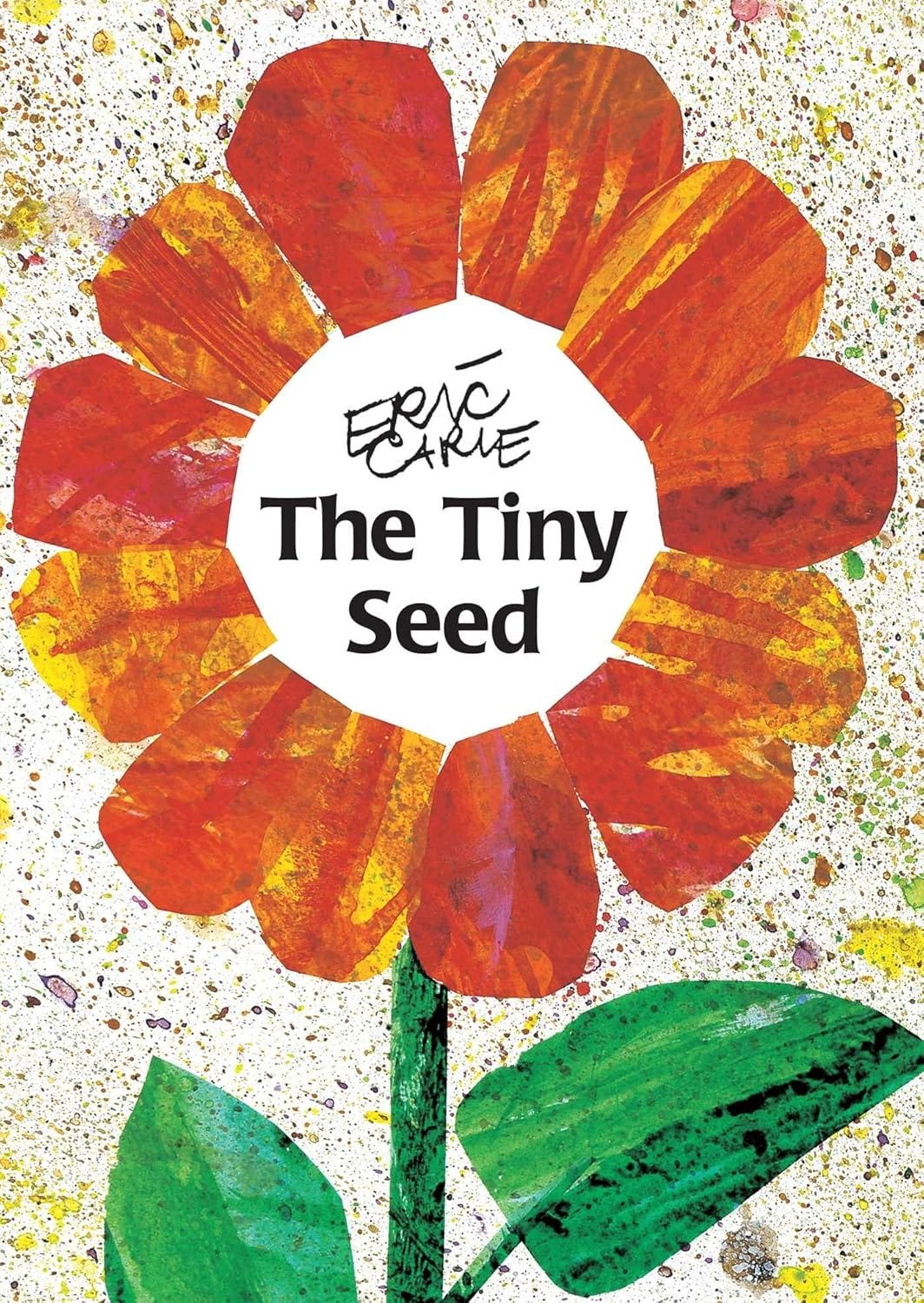
The Tiny Seed – Eric Carle
A classic for a reason. One little seed travels through the seasons, faces all kinds of obstacles, and then blooms into something magnificent. Eric Carle’s collage art is fun and just really enticing, plus the story teaches kids about resilience and plant life cycles without them even realizing it. Take this book even further and pair it with an actual seed-planting activity!
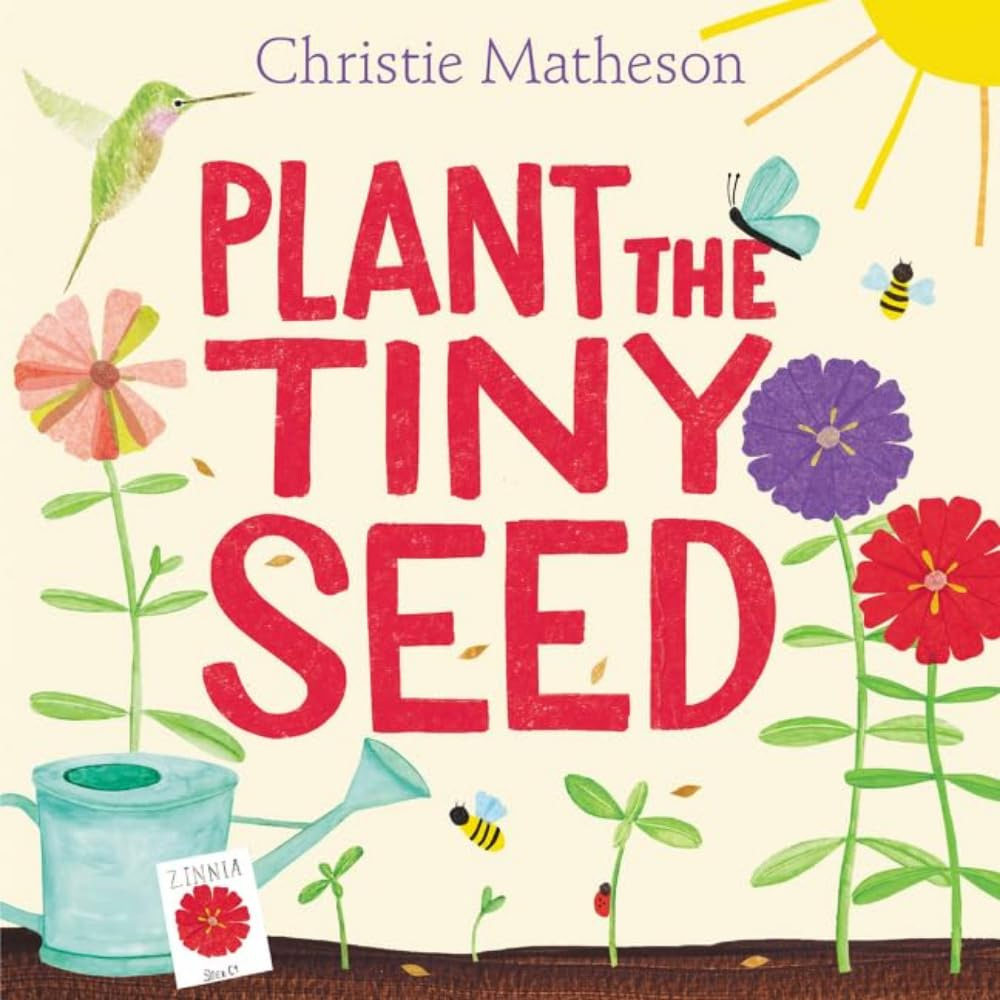
Plant the Tiny Seed – Christie Matheson
This interactive book invites kids to clap, tap, and blow the pages to help a seed grow and is a favorite for the 5 and under crowd. Christie Matheson has such fun interactive books, and I really enjoy this one.
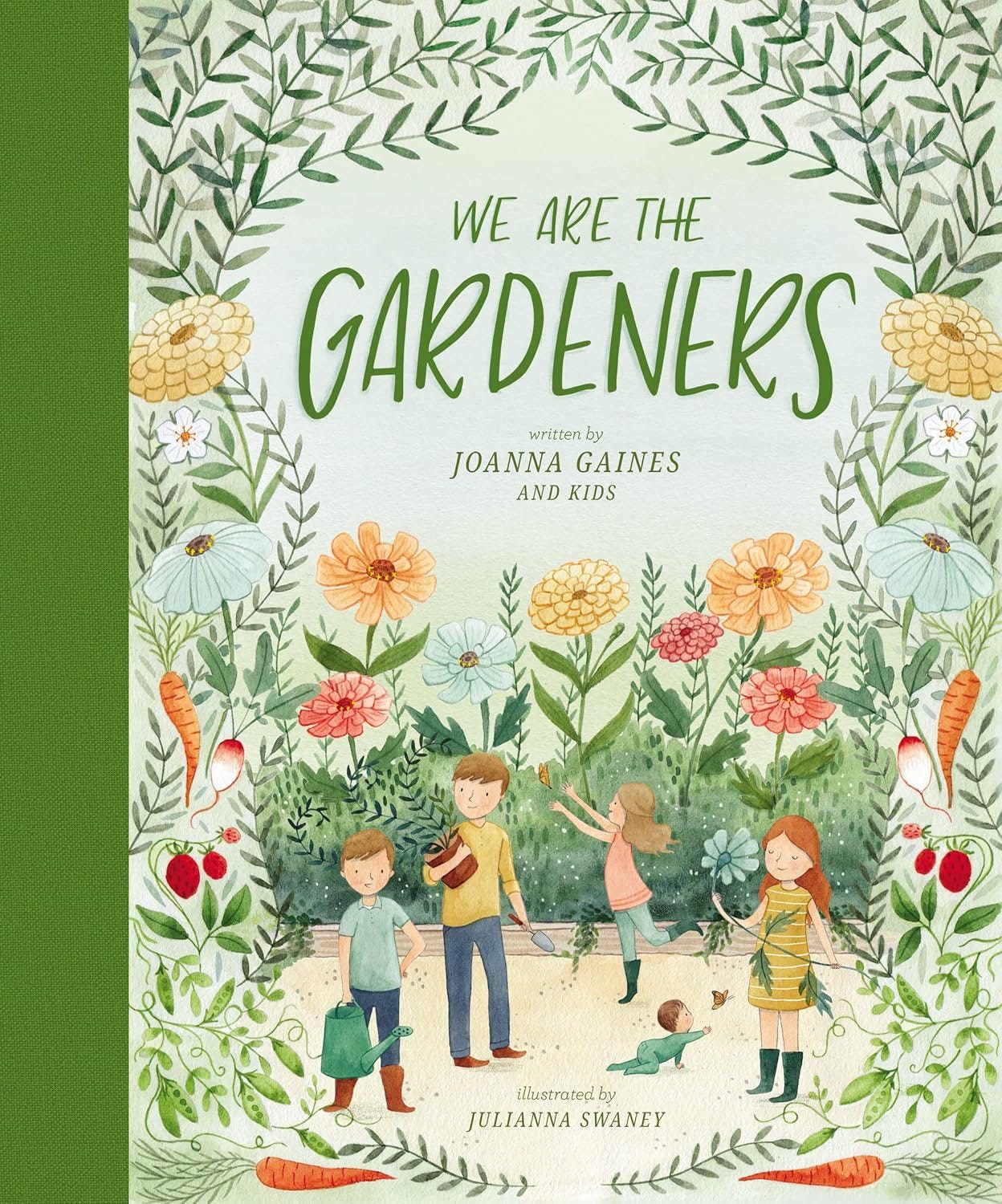
We Are Gardeners – Joanna Gaines
This book follows a family learning to garden together, from the failures and frustrations to the joy of watching something finally grow. It’s honest about the fact that gardening is hard and messy and doesn’t always go the way you plan, which makes it feel so real. It’s a wonderful book for kids who are actually getting their hands in the dirt this spring, and it sparks great conversations about patience, persistence, and working together. I’m pairing this with actually starting a garden with my kids and it’s the perfect compliment.
🐛 For the Bug Hunters
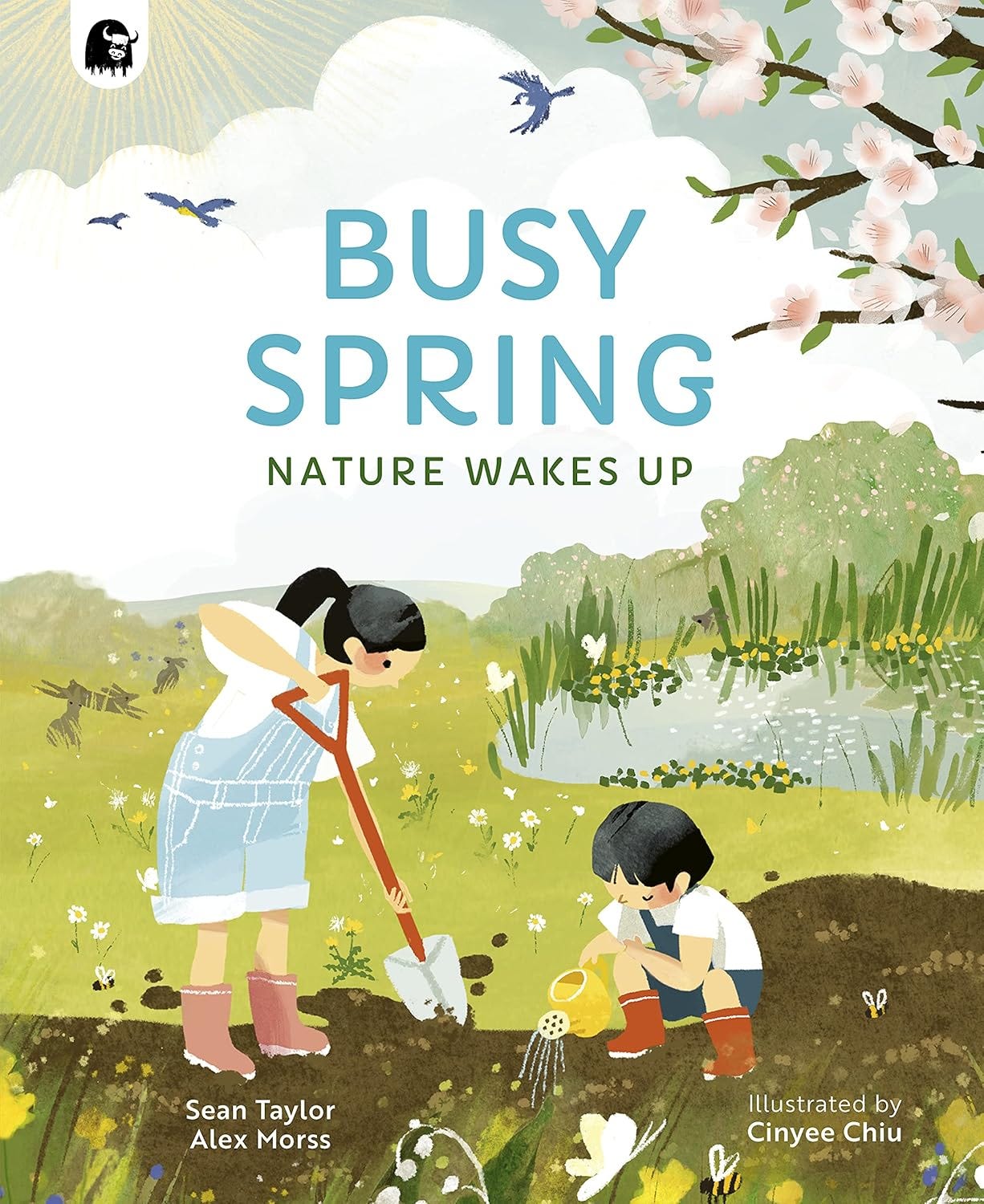
Busy Spring: Nature Wakes Up – Sean Taylor & Alex Morss
A brother and sister join their dad in the backyard and start noticing all the signs of spring waking up around them: birds building nests, bees arriving, tadpoles in puddles. The back pages are full of spring activities and information about the creatures they encounter, which makes it both practical and fun books.
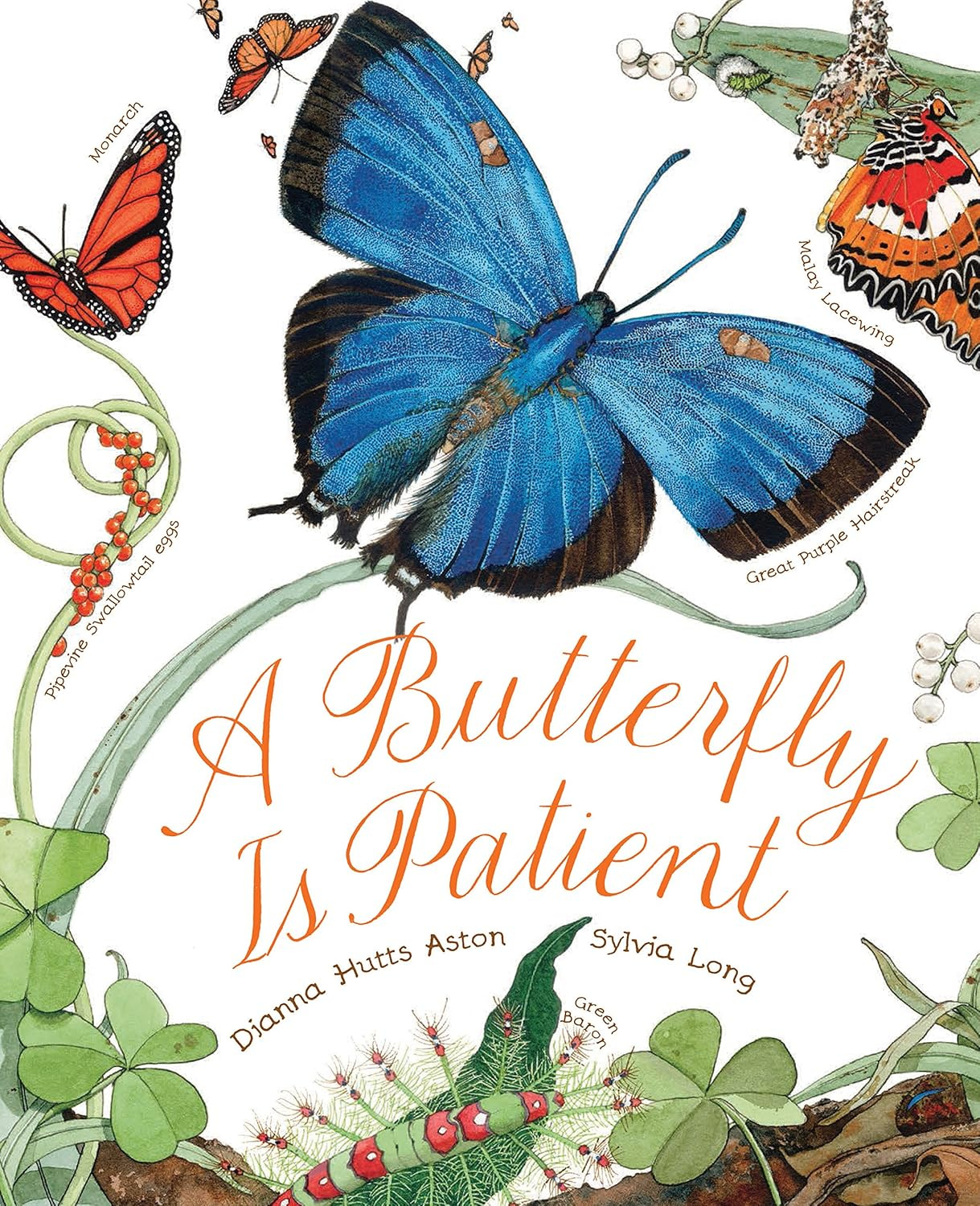
A Butterfly Is Patient – Dianna Hutts Aston & Sylvia Long
Another book written from the same authors as A Seed Is Sleepy, this book follows the life of a butterfly. Kids learn about metamorphosis, migration, camouflage, and the anatomy of a butterfly, but it reads very lyrically and not at all like a textbook. Every time spring arrives and butterflies start appearing in the yard, we pull this one back out and I love pairing it with a caterpillar growing activity.
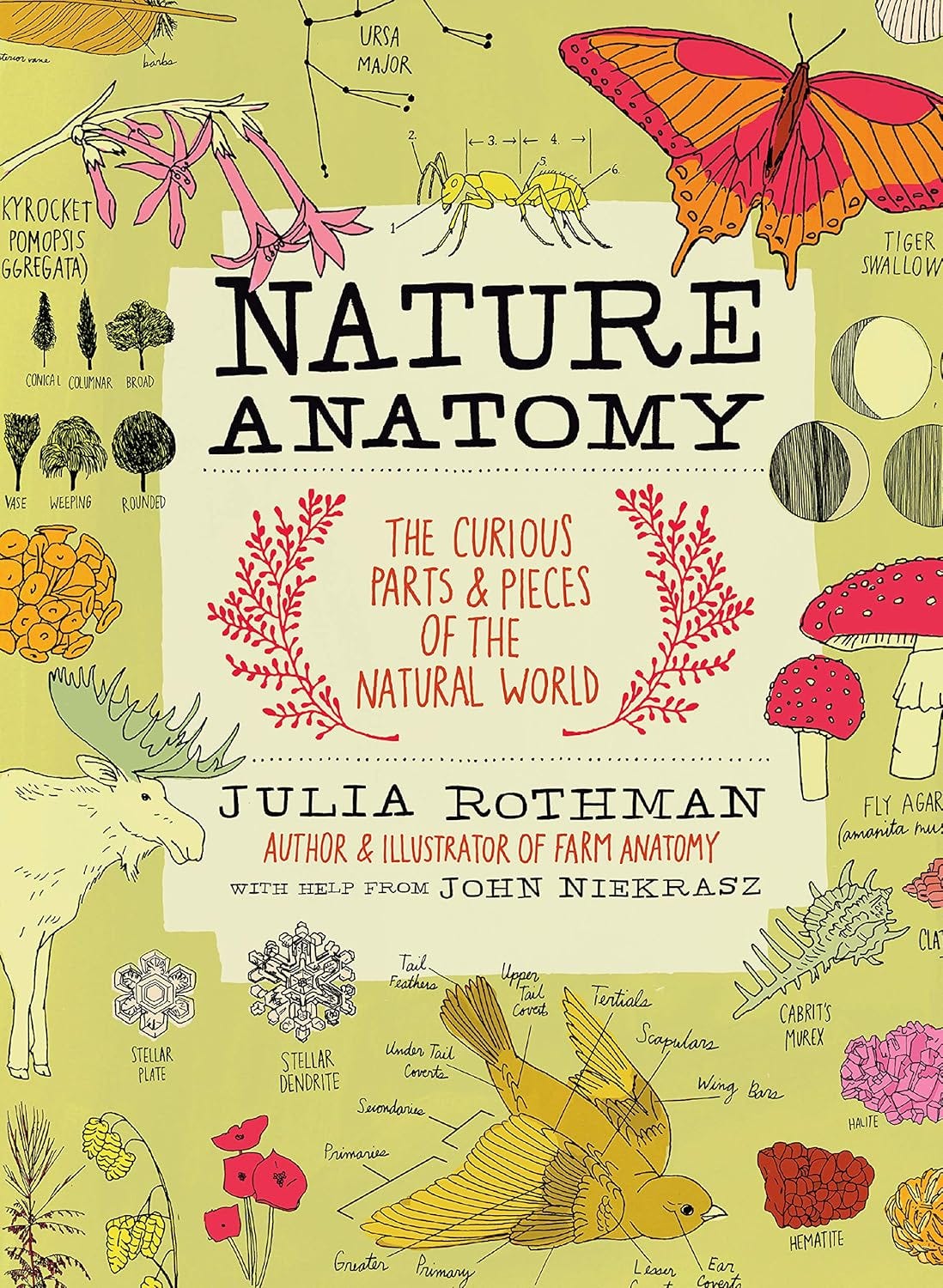
Nature Anatomy – Julia Rothman
If you don’t have Julia Rothman’s Anatomy series on your homeschool shelf yet, spring is the perfect time to start. Nature Anatomy covers everything from leaf identification to bird nests, the life cycle of frogs, anatomy of a flower, insects, ecosystems, cloud formations, and so much more- all illustrated in her signature whimsical hand-drawn style. As an adult, I find myself LOVING these books and my kids also frequently just sit and flip through them.
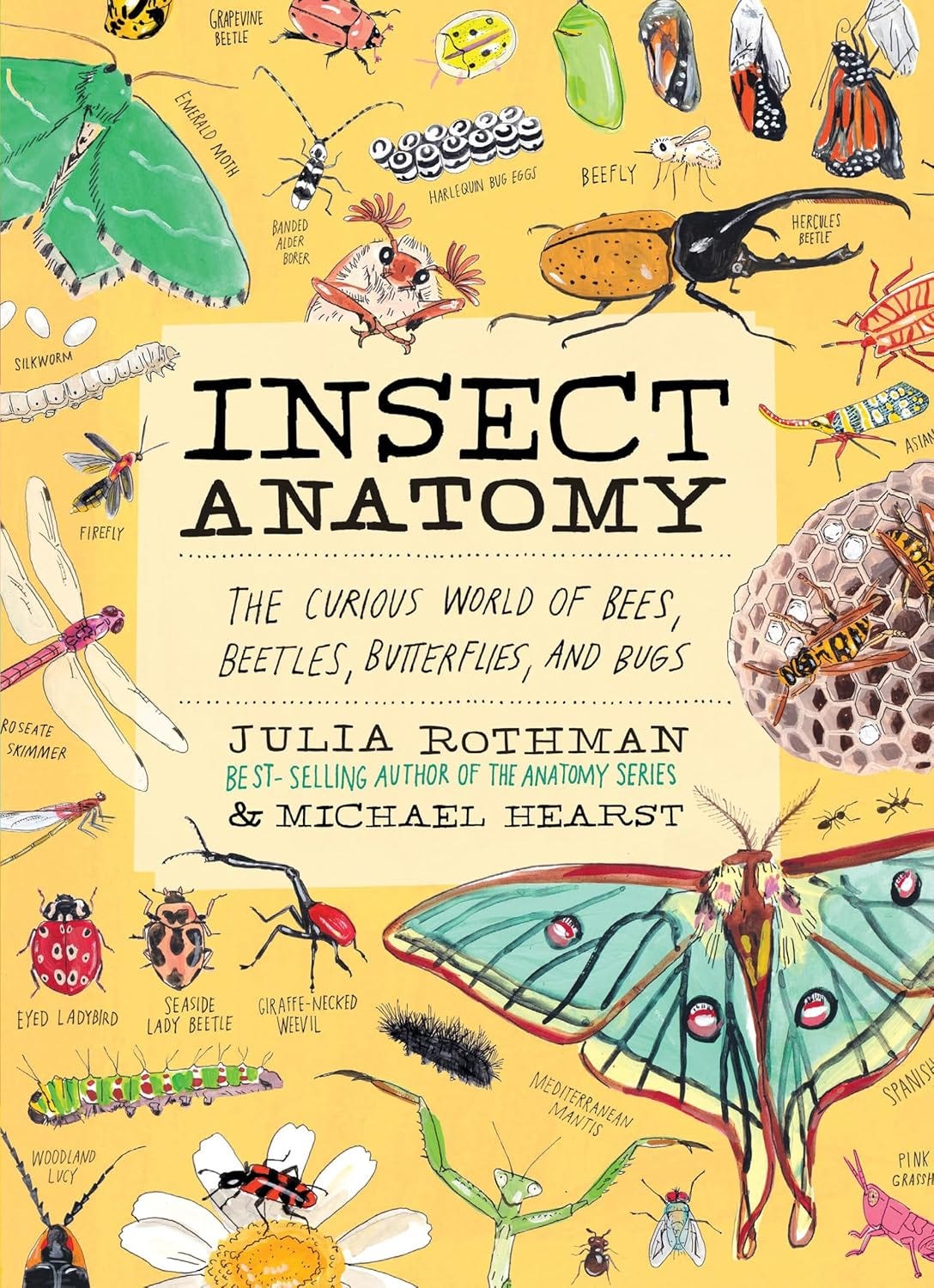
Insect Anatomy – Julia Rothman
For the kid who wants to go even deeper on bugs specifically, this companion volume dives into the insect world with the same beautiful hand illustrated approach. Bees, beetles, moths, ants, dragonflies… it’s all here, with anatomy breakdowns and fascinating facts. Pair it with a nature journal, a magnifying glass, and a bug catcher and you have a full afternoon of hands on learning that kids are actually excited about.


Big Book of Bugs – Yuval Zommer (or Birds, or Blooms to be fair)
Yuval Zommer’s SUPER oversized illustrated books are just gorgeous and perfect for browsing. This one is all about bugs…what they eat, where they live, how they move, why they matter. This whole series of books is amazing and is one I recommend every family have on their shelves.
📚 The DK Shelf
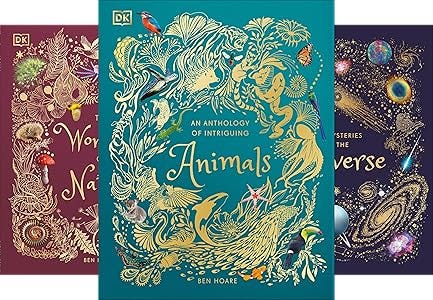
If your kids are anything like mine, DK books basically live permanently open on the floor. We don’t really “read” them front to back- I like to use them more as reference books, but my kids just love to flip through them as well.
Here are three that I love pulling out right now:
The Wonders of Nature – DK Children’s Anthologies
A vast, celebration of the natural world covering topics on weather, animals, plants, ecosystems, seasons. It’s the kind of book is perfect to get lost in and just spend all morning flipping through.
An Anthology of Remarkable Bugs – DK Children’s Anthologies
For the kid who wants to know everything about every bug they find in the garden. Detailed, gorgeous, and just fascinating. We’ve used this one to identify actual insects we’ve found outside and it’s a good one to add to your bug unit.
The Secret World of Plants – DK Treasures
Over 100 remarkable flowers, trees, and seeds, each with its own story. This one reads almost like a nature storybook as much as a reference book, which makes it accessible even for younger kids.
🐸 For Early Readers & Cozy Reading Afternoons
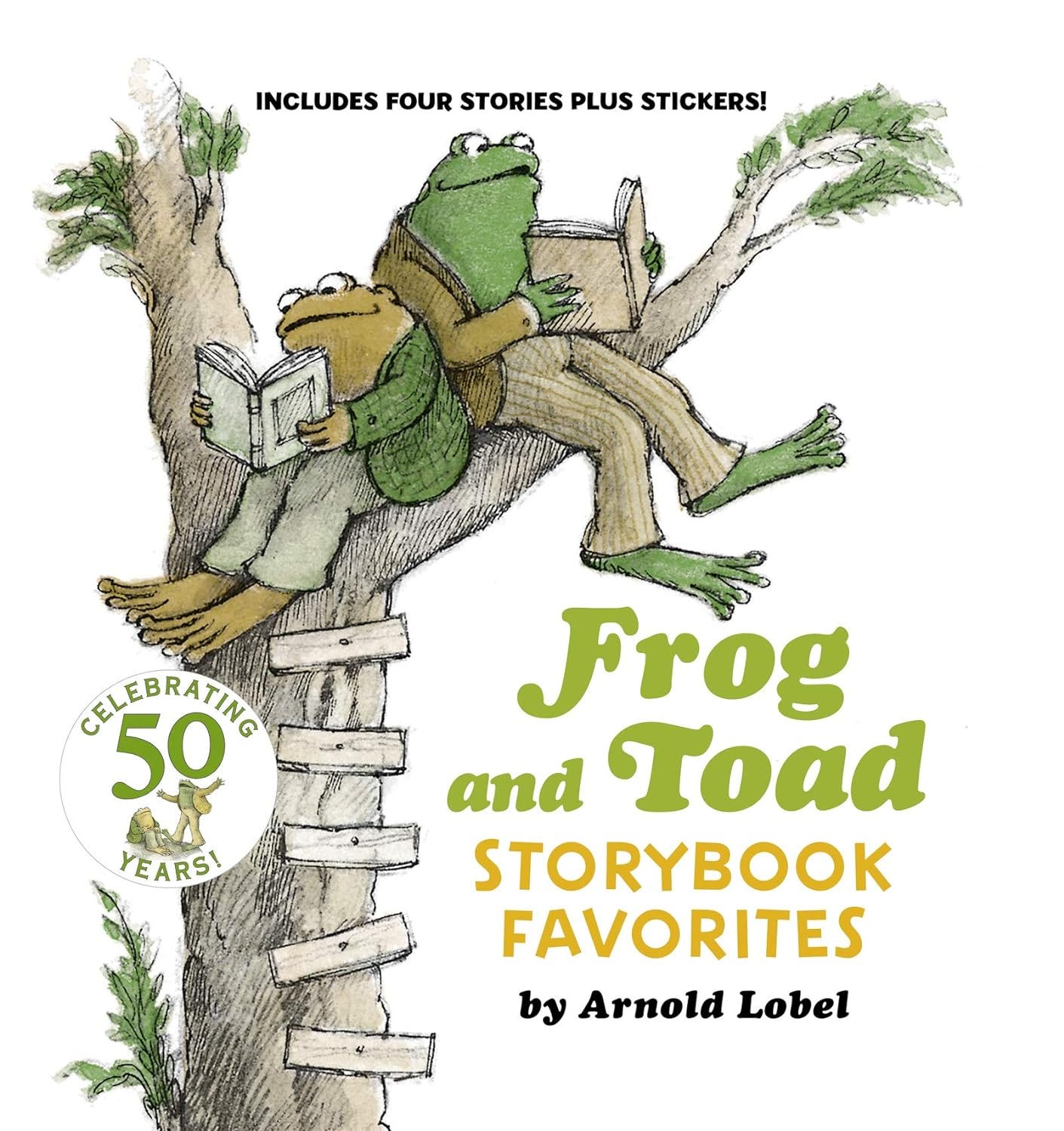
The Frog and Toad Series – Arnold Lobel
All four books: Frog and Toad Are Friends, Frog and Toad Together, Frog and Toad All Year, and Days with Frog and Toad, belong in every homeschool at some point, but spring is when we reach for them most. I mean, Frog spends the first story of the series trying to wake Toad up from his winter hibernation, which feels perfect to start off a spring read with. These books are a classic and also make the perfect theme for so many lessons (and parties).
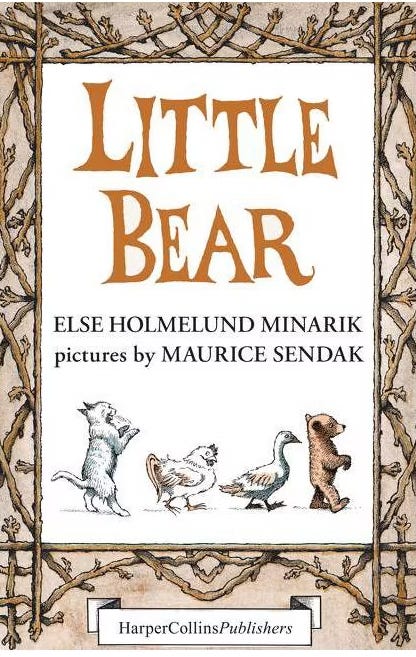
The Little Bear Series – Else Holmelund Minarik, illustrated by Maurice Sendak
Little Bear holds a special place in my heart as a 90’s kid and is one of the first “chapter” books we read with Logic of English. These are super gentle early readers that follow Little Bear through cozy, imaginative adventures with his mom, his friends, and the woods around his home. Something about reading these books in spring just feels right, so they’re always out on my shelf around this time.
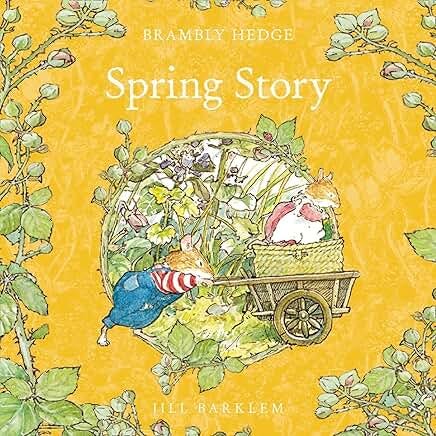
Spring Story (Brambly Hedge) – Jill Barklem
This one is pure magic. Jill Barklem created an entire world of mice living in the English countryside, and the detail in every single illustration is SO CUTE. There are tiny doors inside tree trunks, miniature kitchens with seasonal foods, little celebrations that mark the turning of the year. Spring Story follows the mice of Brambly Hedge as the season arrives and they welcome new life. It’s super cute and whimsical and I love reading this whole series (there’s so many other books in the Brambly Hedge world and each one is worth a read.).
One of my favorite things about homeschooling is that a book can start a whole week of learning (a side quest as I like to call them). We’ll read Busy Spring and then spend the afternoon in the backyard with a magnifying glass. We’ll finish A Seed Is Sleepy and plant something the next morning. We’ll read Frog and Toad and then go looking for actual frogs at the creek down the road-something about creek days in the spring are just a MUST. Plus the reference books have a way of bringing kids in and making these topics something they’re excited to learn about and if that’s not the whole point of reading then what is?
Which books are on your spring shelf this year? I’d love to add to our list! 🌿

Love oh so many of these and many are in our home right now too, either on our permanent shelf or borrowed from the library 🌸🥰